Alexander d'Hooghe on Cathedral Thinking and Climate Solutions
Video
Malawi is a small landlocked country in South-east Africa, bordering Tanzania, Mozambique, and Zambia. With limited resources and a population expected to grow from 18 to 45 million by 2050, the country is facing critical challenges.
Smallholder farming, long the backbone of rural livelihoods, faces mounting pressure from shrinking plot sizes and climate uncertainty. Limited amounts of arable land exacerbate the challenge. The stakes couldn't be higher with demand for jobs, housing, food and infrastructure set to intensify. Left unchecked, this demographic surge threatens food security, environmental sustainability and employment nationwide.
Until now, development efforts across the country have lacked the consolidated thinking required to drive meaningful change. New roads are built without considering industrial sites. Agricultural investments ignore urban markets. Housing projects emerge far from employment centers. Marked by fragmentation, resources are invested without sufficient direction, fragmented approach wastes resources and by that misses opportunities to create the integrated, resilient communities that Malawi needs now more than ever.
In 2019, the National Planning Commission recognized that the country’s ambitious 2063 Vision would require a fundamentally different approach. ORG was tasked with translating national aspirations into equitable, place-based strategies with the power to reshape how and where development unfolds. Thus the Malawi Secondary Cities Plan (MSCP) was born.

We developed the MSCP through an iterative, multi-year process that weaved together deep stakeholder engagement with rigorous spatial analysis. This dual focus ensured that technical priorities were matched by institutional feasibility and community relevance.
The plan had to be implementation-ready. Over three years, the team led a series of spatial analyses, stakeholder consultations, and feasibility assessments to translate Malawi’s development vision into a phased set of actionable steps. This diplomatic dimension also proved essential to aligning local realities with national priorities.

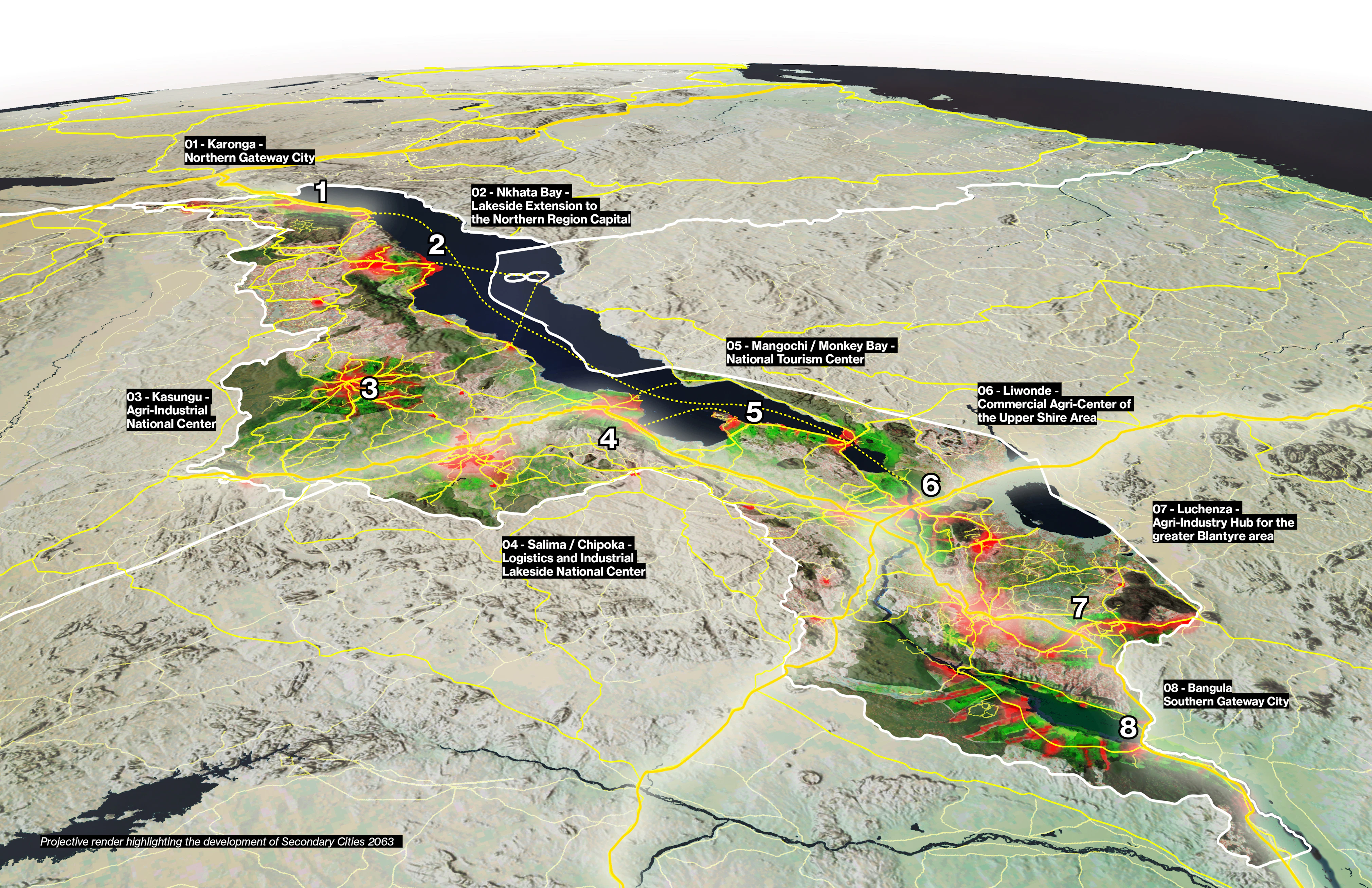
The process culminated in the evidence-led selection criteria that identified eight urban centers as anchors for future growth. The selected secondary cities balance geographic distribution with agro-industrial potential, transport connectivity, and the capacity for the development necessary to absorb rural-to-urban migration.
The Malawi Secondary Cities Plan sets out a clear roadmap for integrated, inclusive and equitable growth by identifying projects and locations for priority investment in infrastructure, agriculture and services in the secondary cities. This strategy reduces the development pressure on the major cities, which are already strained, and channels opportunities towards the secondary centers, positioned to become regional engines of prosperity.


Outlining how and where major infrastructure investments should flow, the MSCP shows how strategic investments in infrastructure, agriculture and public services can work together to create thriving, connected communities. Rather than allowing this growth to concentrate in already-strained major cities, it channels development toward secondary centers positioned to become regional engines of prosperity.

Each of the eight selected cities benefits from a targeted investment strategie to unlock their full potential by aligning transport, water, and energy infrastructure with agro-industrial opportunities. In doing so, we are laying the groundwork for job creation and climate-smart urbanization.


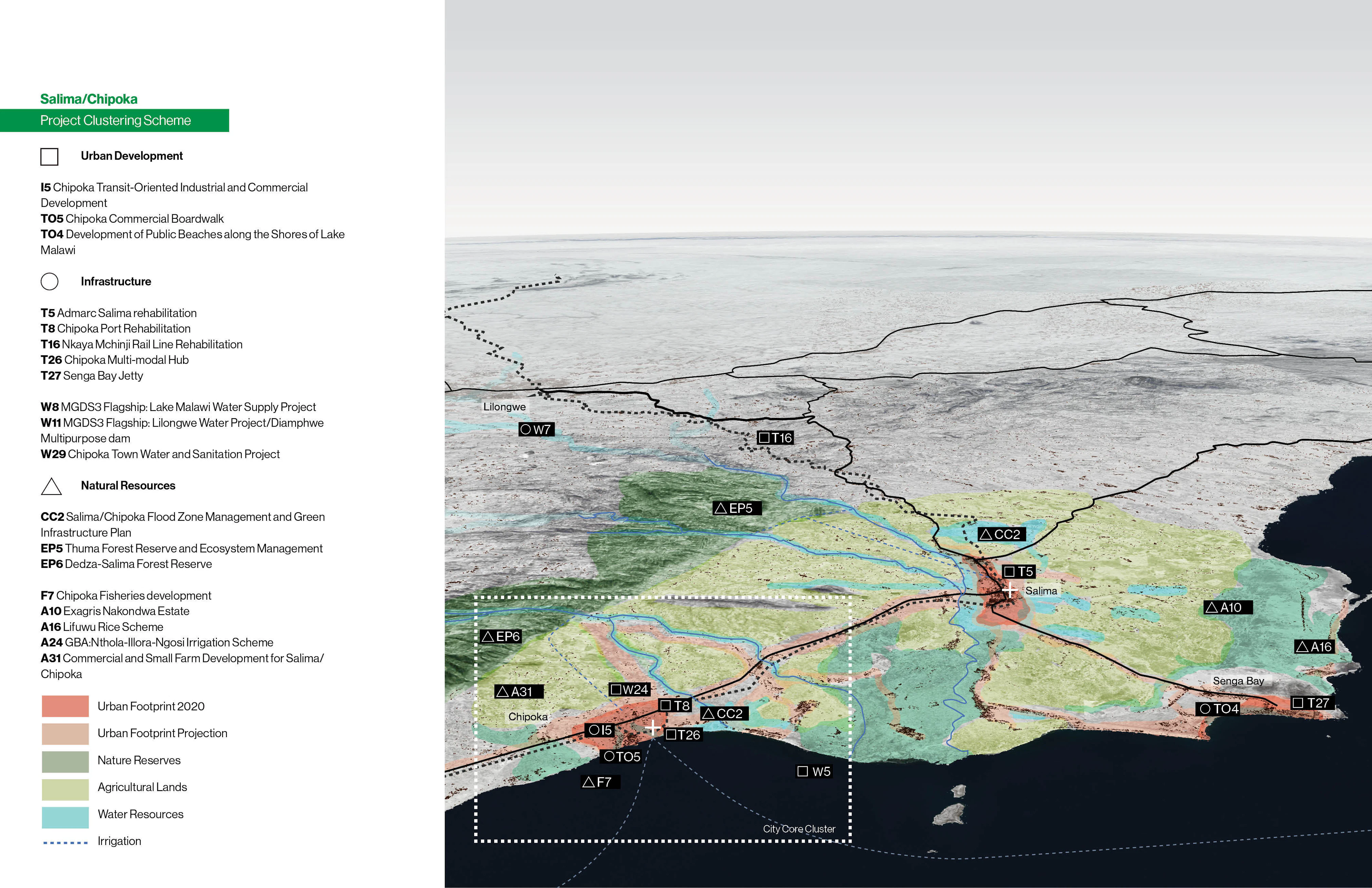

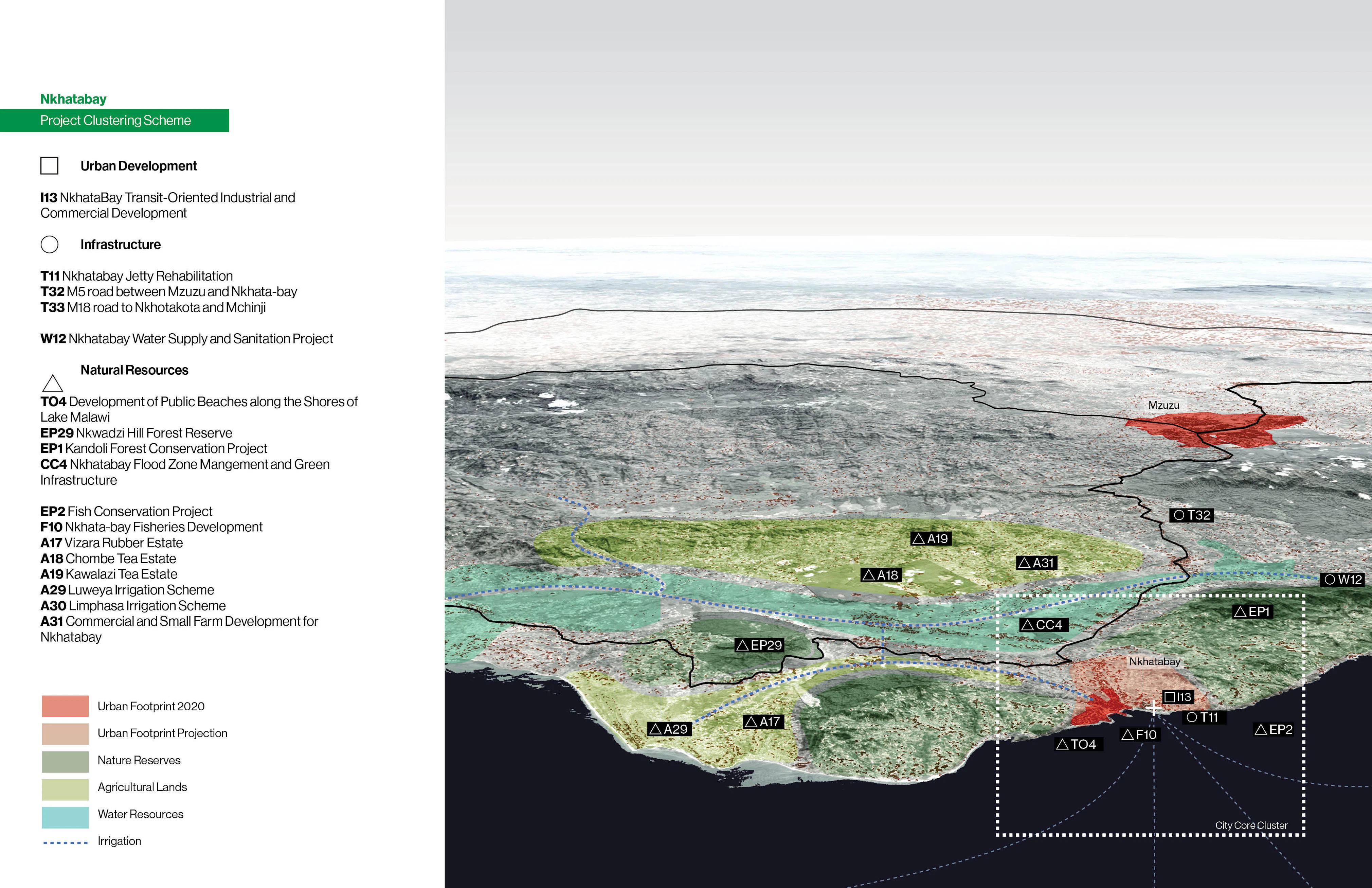


These centers will become regional hubs for value-chain development, private-sector engagement, and land-use efficiency. The plan opens pathways for farmers to access processing facilities, for entrepreneurs to reach broader markets, and for young people to find meaningful employment without abandoning their home regions.
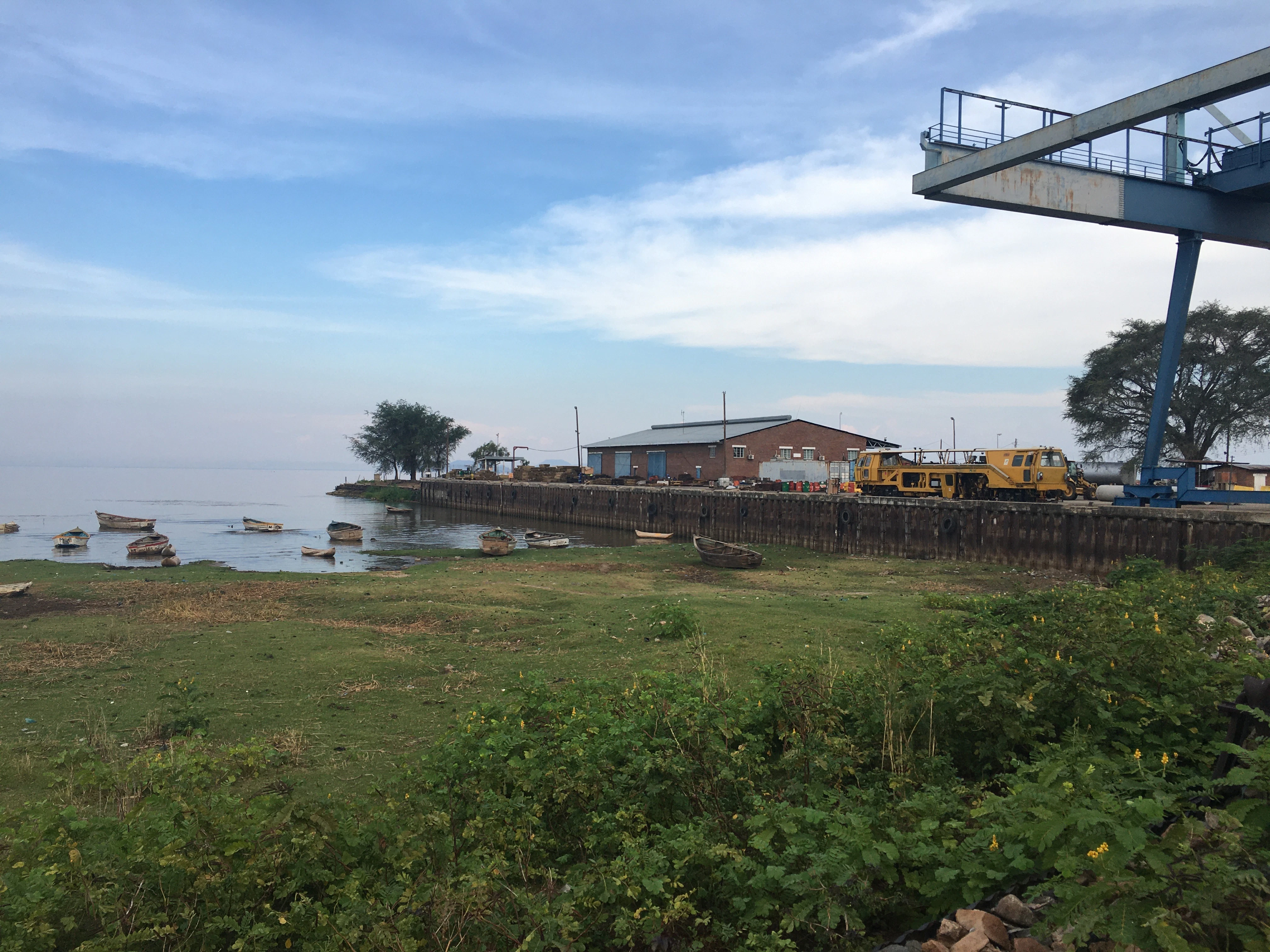


New roads that connect productive areas with processing centers. Water systems that support both urban growth and agricultural intensification. Energy networks that power the industries that will drive future prosperity. This is the type of integrated thinking that maximizes the impact of limited resources and ensures that, as Malawi grows, it grows inclusively, sustainably, and with purpose.