Vynckier's website
Website


One of the oldest industrial sites in Belgium, Vynckier sprawls across 6 hectares in Ghent. A former cotton factory complex of red brick halls and soaring factory windows, Vynckier embodies the spirit of 19th-century manufacturing. For decades, these buildings thrummed with textile production. When the looms fell silent, the site became a brownfield caught between heritage protection and the pressures of 21st-century redevelopment.
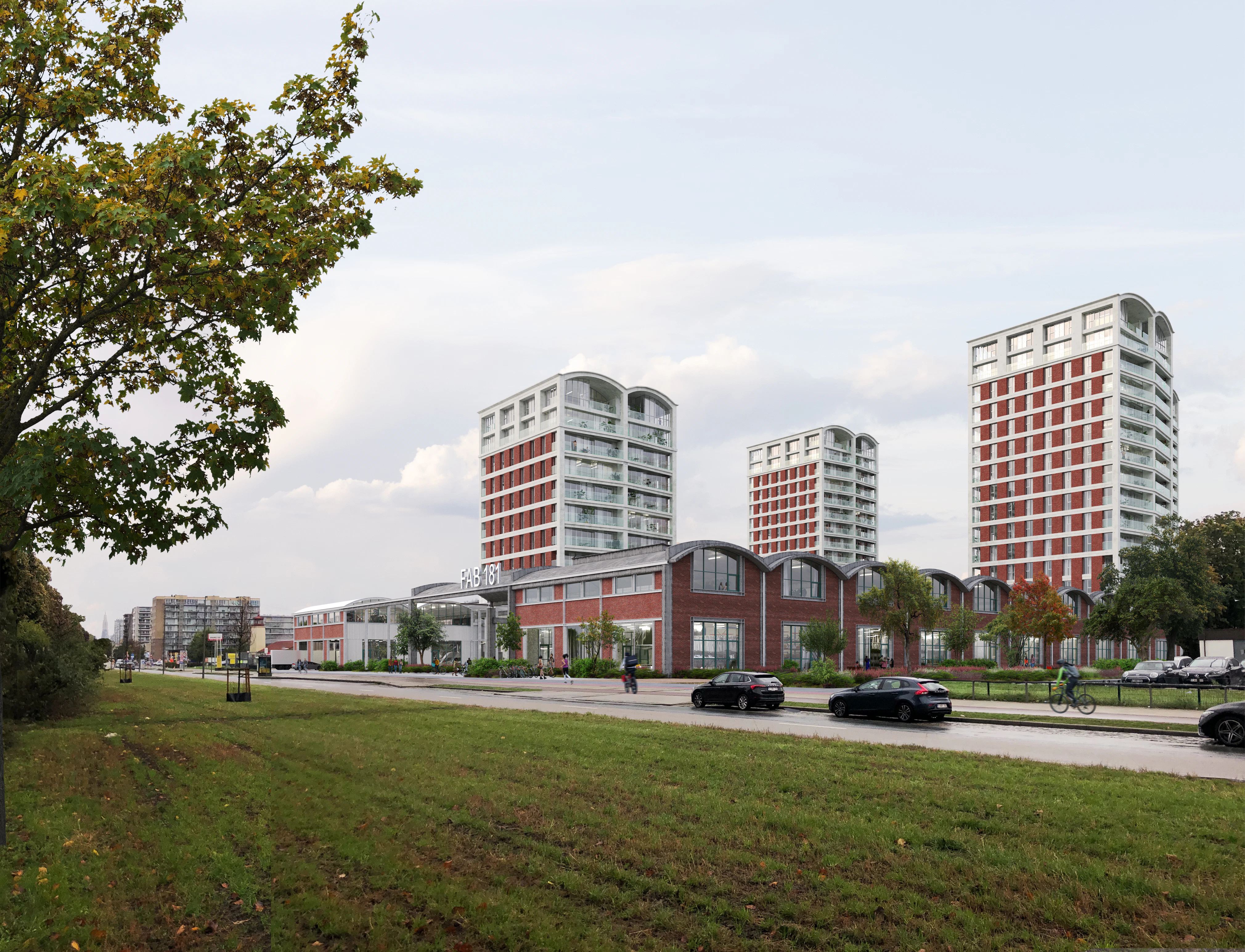
Architecturally, the complex exemplifies the 'Manchester' typology: multi-story brick structures with distinctive sawtooth rooflines and expansive factory floors designed for natural light and flexible production.


These spatial qualities render the buildings valuable as a heritage site. However, adapting them for contemporary use— such as work spaces, educational facilities, and event venues—posed an immediate challenge. How do you preserve industrial legacy while accommodating startups, laboratories, and event spaces with entirely different infrastructural demands?
Situated at the crossroads of Ghent’s city center and active logistics corridors, the location complicated matters further. Revitalizing the complex would involve more than merely restoring the buildings. It demanded a phased programming strategy that would weave the site back into the city's economic and social fabric. This would allow easy access, attract diverse users, and transform the site from an isolated industrial relic into a vibrant destination.

Revive, the development partner, approached ORG to create a framework to navigate these tensions. The brief called for an urban vision encompassing the entire site and detailed architectural design for the first phase. The challenge was to establish a system flexible enough to accommodate shifting economic sectors and user needs without compromising the architectural integrity. The work would need to honor the past while supporting the energy transition and circular manufacturing ecosystems that are shaping the future.
We approached Vynckier through layered planning that recognized the site's spatial complexity and historical significance while establishing a strategic design framework for staged redevelopment. The framework accommodates multiple uses and adapts to changing needs without compromising the site's architectural integrity.
Ecosystem analysis was central to the master plan, mapping relevant industrial actors, startups, research institutions, and public partners to identify synergies for innovation. The findings informed a spatial and programmatic strategy designed to foster open innovation, proximity, and collaboration, ensuring that the built environment supports the ongoing evolution of a thriving ecosystem.


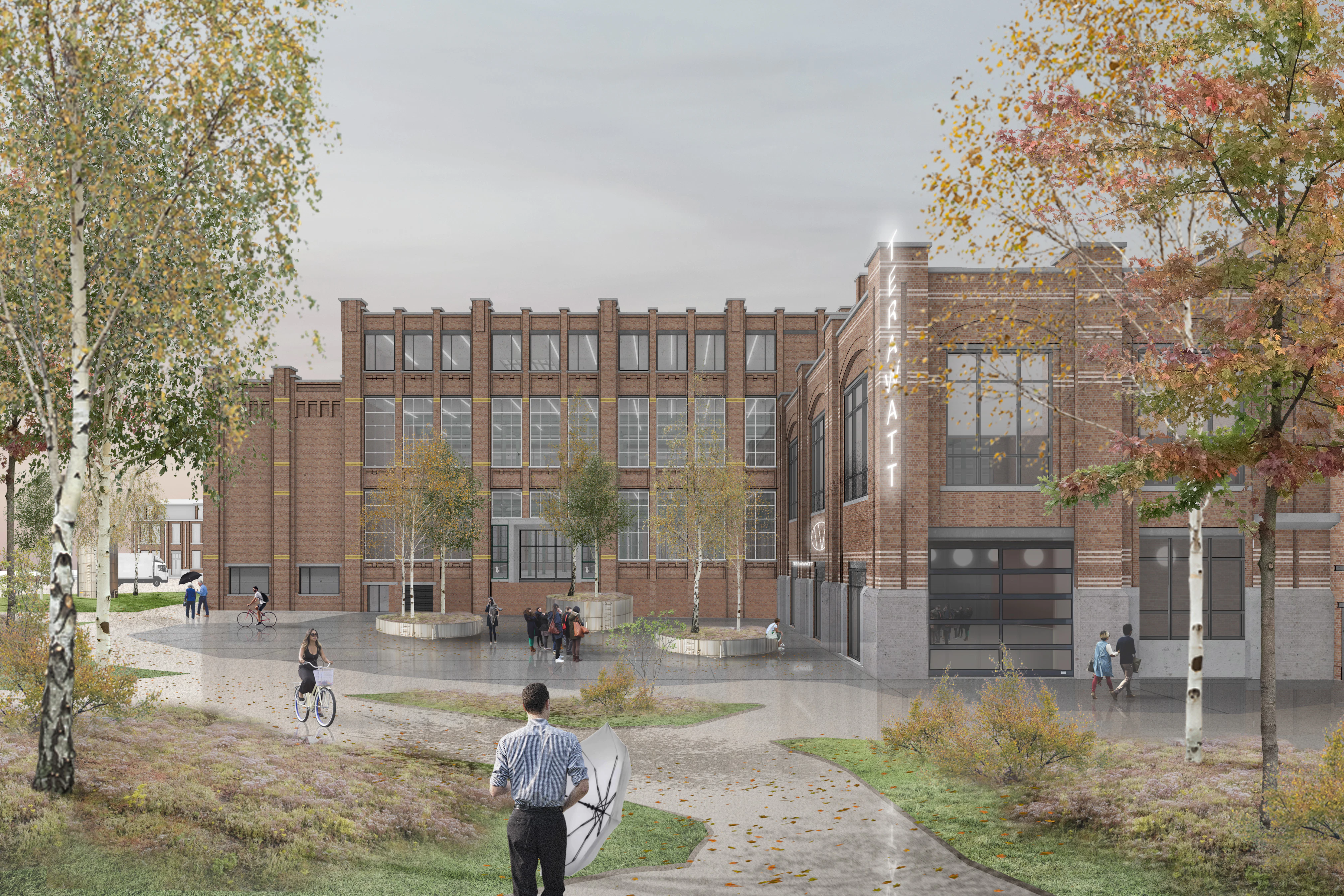
The renovation of iconic factory halls, such as TerraWATT, combines heritage-led programming with modular adaptability. By restoring these historic structures, the plan aims to transform them into flexible work environments and public amenities, preserving the existing architectural legacy while accommodating evolving uses.
The buildings' spatial logic allows for reconfiguration over time without altering core elements. Factory floors would become open-plan studios, and high ceilings would accommodate technical infrastructure, with natural light flooding in through the expansive windows.

Strategic phasing integrates mobility, learning, and innovation throughout the broader masterplan. The plan gradually introduces shared-use functions, such as coworking spaces, tech labs, and event spaces while enhancing physical connections to surrounding neighborhoods and economic corridors. This phased approach transforms an isolated industrial zone into an accessible district woven into Ghent's urban fabric.
The final master plan establishes an enduring spatial framework that preserves architectural quality while facilitating the transition to an ecosystem for energy-focused innovation and circular manufacturing. In doing so, it integrates production, education, and research within a single adaptive structure.
TerraWATT and the surrounding halls house startup studios, labs, and shared facilities that allow the site to evolve and meet diverse requirements over time.

By incorporating public event spaces, knowledge nodes, and soft connections, the site encourages social interaction and reinforces civic identity. This programming strategy positions the complex as a knowledge hub rather than an isolated business park.
The phased development approach provides the freedom for subsequent phases to respond to market demands and technological changes. This adaptability ensures that the complex will remain relevant amid shifting economic conditions and evolving sector requirements.


By establishing innovation ecosystems within preserved industrial architecture, the Vynckier framework demonstrates how heritage buildings can serve as more than commemorative relics of the past.
When spatial qualities align with contemporary needs and renovation builds in flexibility, historic structures can be transformed into active participants in economic development.