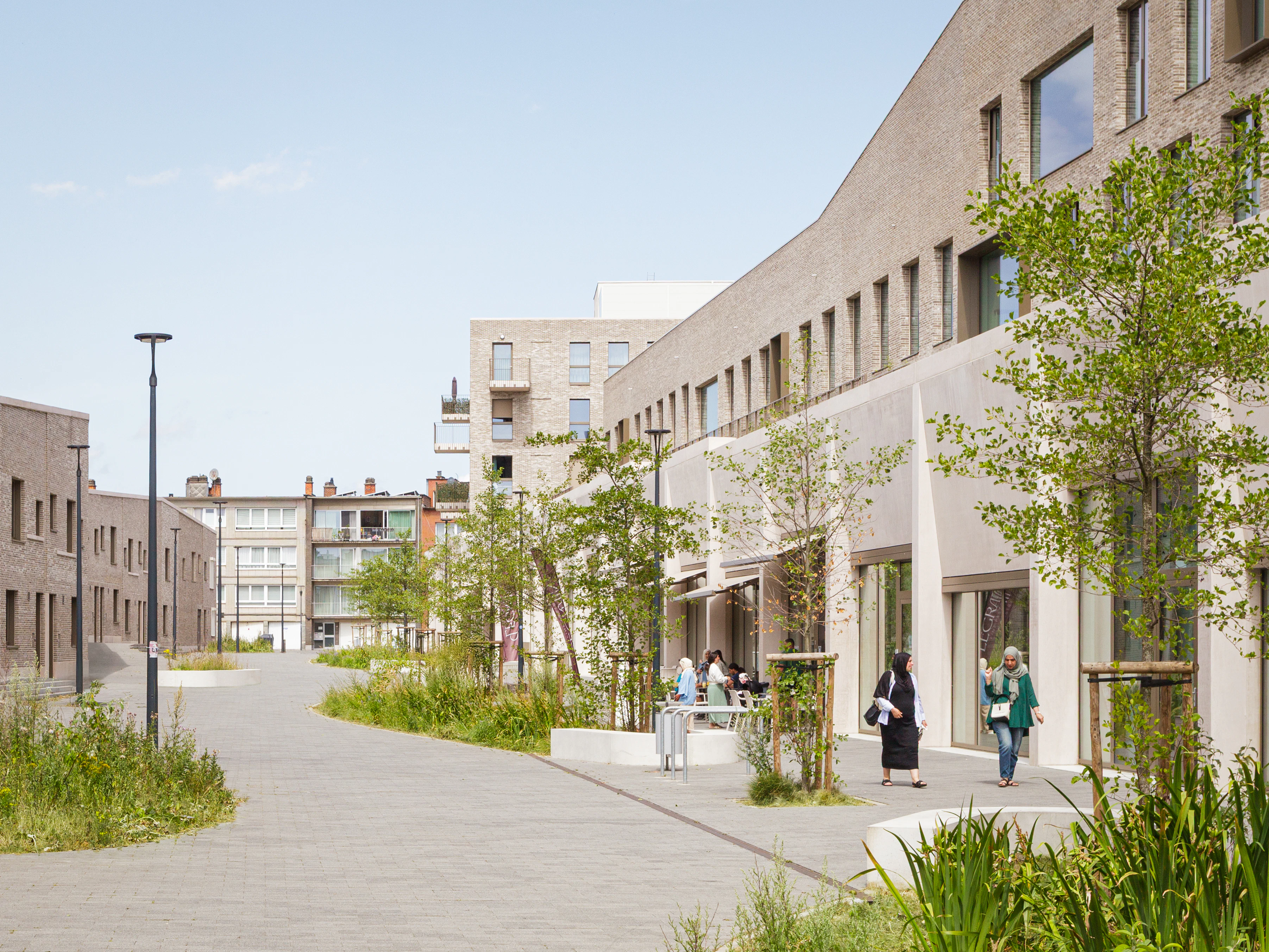
Brussels Canal Quality Plan wins URBACT's Good Practice Label
Award
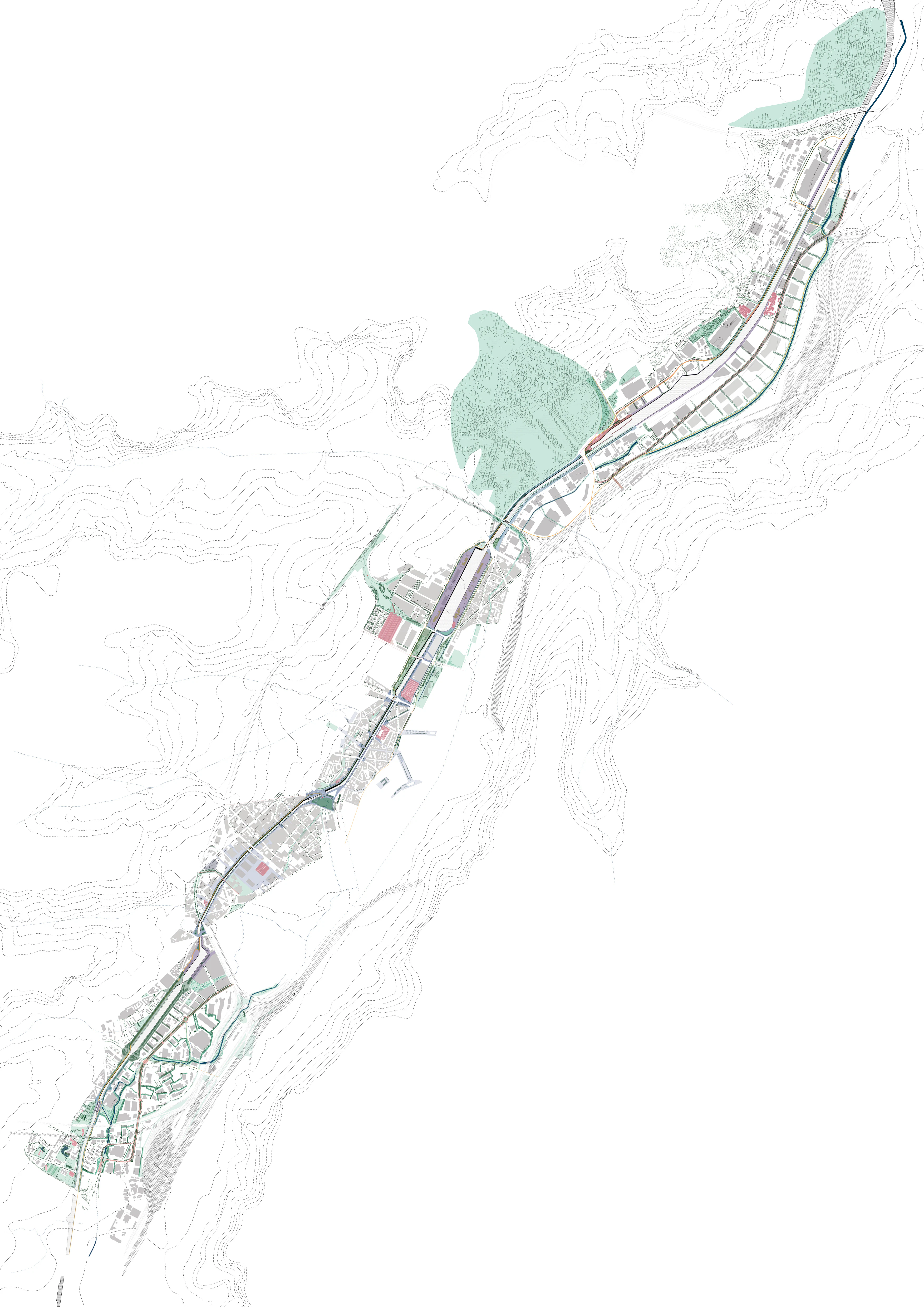
The Brussels Canal threads its 14-kilometer path through a diverse landscape of industrial zones, residential districts and neighborhoods in transition. Each faces its own distinct pressures. Each is stunted by disconnected spatial vulnerabilities.

For decades, the waterway has been seen as a barrier rather than a bridge. A place to avoid rather than a destination to embrace. Climate vulnerability has only intensified this perception, with the canal zone experiencing both flood risks and urban heat. The social inequalities that persist across neighborhoods long separated by the water underlined the impression of stagnation.

Previous planning efforts lacked continuity across municipal boundaries, struggling to translate regional scale goals into concrete, site-sensitive interventions. The Brussels Region understood that unlocking the canal's potential would involve far more than a series of piecemeal projects. It required a unified spatial vision capable of coordinating diverse stakeholders while respecting local identities.

Commissioned by the Brussels Region and developed with Perspective.brussels, ORG and Bureau Bas Smets developed a forward-looking master plan: a living framework to guide transformation; convert regional goals into designable, repeatable, and place-sensitive tools; and ensure that every project strengthens rather than fragments the canal's emerging identity.

The design team approached the canal as both infrastructure and destination within a framework able to balance regional consistency with local character. Working through ‘research by design’ and engaging in intensive co-creation with public actors and stakeholders, we built a methodology on two interlocking strategies: creating a consistent identity and setting out district-specific goals.


To achieve a balance between global coherence and local character, we identified three unifying themes spanning the entire canal: the waterway itself, the associated network of public spaces, and the wider canal landscape. For each theme, we established guidelines covering materiality, ecological function, and spatial typologies. These guidelines create a consistent language that underpins a global coherence while allowing for local variation.

At the same time, we developed a localized set of design tools for each of the nine canal districts. Each district receives its own strategy, street sections, and open space typologies in keeping with the local identity. These tools will guide all future public and private development at every scale.


The overall guidelines ensure that the plan addresses real world spatial challenges while supporting broader policy goals around mobility, ecology and social equity.


The Brussels Canal Quality Plan serves as both a definitive blueprint and an operational toolkit, providing a consistent reference for future planning, competition briefs and project execution across the entire area.
Translating policy into buildable reality, it provides clear operational guidelines, diagrams and material strategies. City agencies, developers and designers can now use these resources to shape canal-side streets, parks and new developments.
In doing so, the plan achieves a consistent approach – but not at the cost of uniformity. By aligning district-scale projects with local level identity, it brings continuity. Yet at the same time, it allows each zone's unique character to emerge and flourish. A number of ORG-BBS projects are already bringing this vision to life.

The plan's impact extends beyond individual projects. Approved by the regional government in 2019 and again in 2024, it has been recognized with both the URBACT Good Practice and the EU Green Deal Green Deal Going Local labels. More significantly, it has established a future-facing model for coordinated urban development that other waterfront cities can adapt and apply.

As Brussels continues its canal transformation, the Beeldkwaliteitsplan ensures that each intervention, whether a single building or a major infrastructure project, contributes to a waterfront that feels both locally rooted and regionally coherent, supporting the daily rhythms of urban life while building resilience for generations to come.